What Is a DC Washing Machine and Why Should You Care?
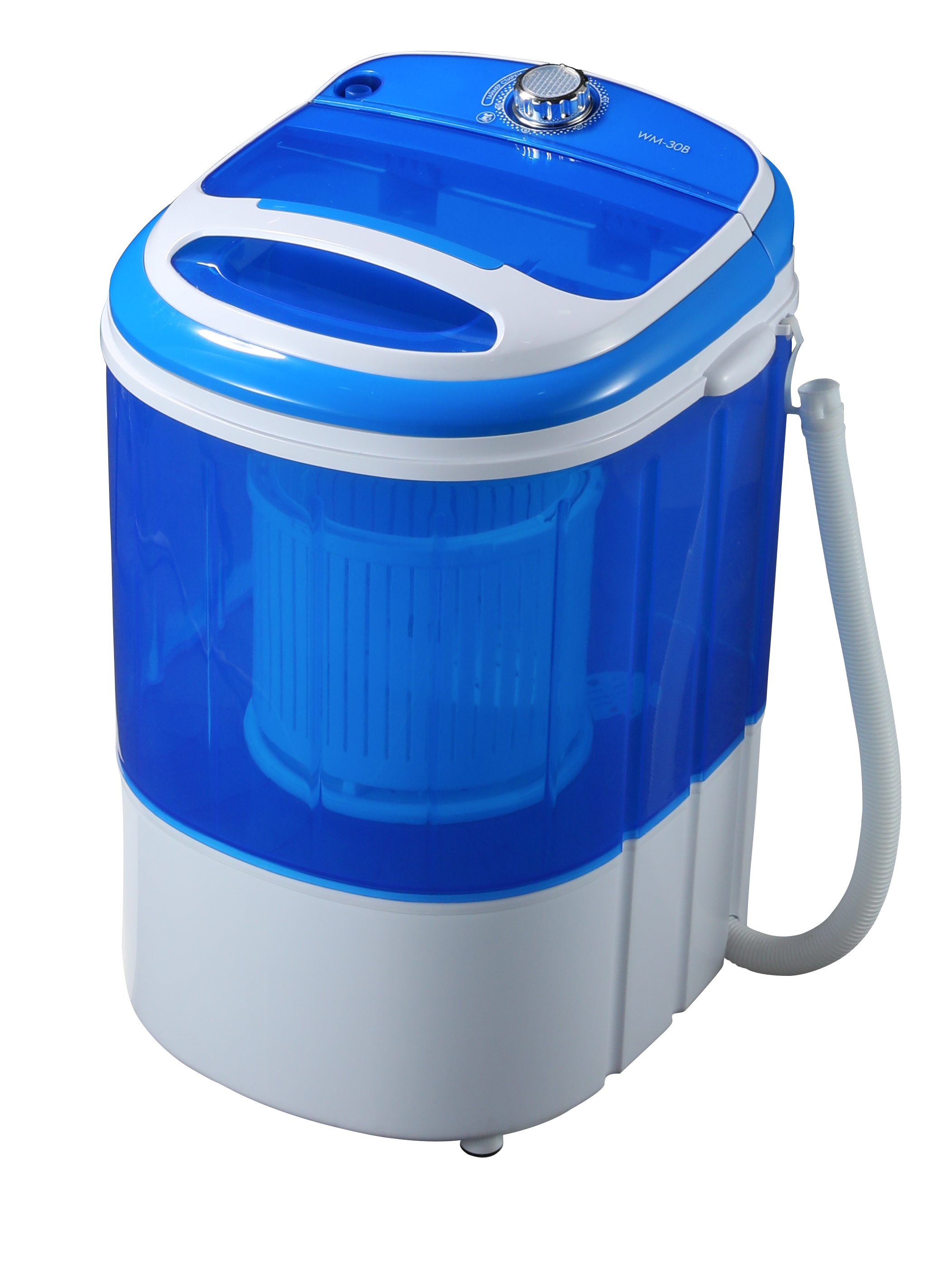
A DC Washing Machine refers to a laundry appliance driven by a direct current (DC) motor rather than a traditional alternating current (AC) motor, giving it unique advantages in efficiency, speed control, and noise reduction. DC motors are becoming more common in modern washers due to their precise speed modulation and energy savings. In this article, we explain in detail what makes DC washing machines special and how this technology can benefit both everyday households and innovative applications.
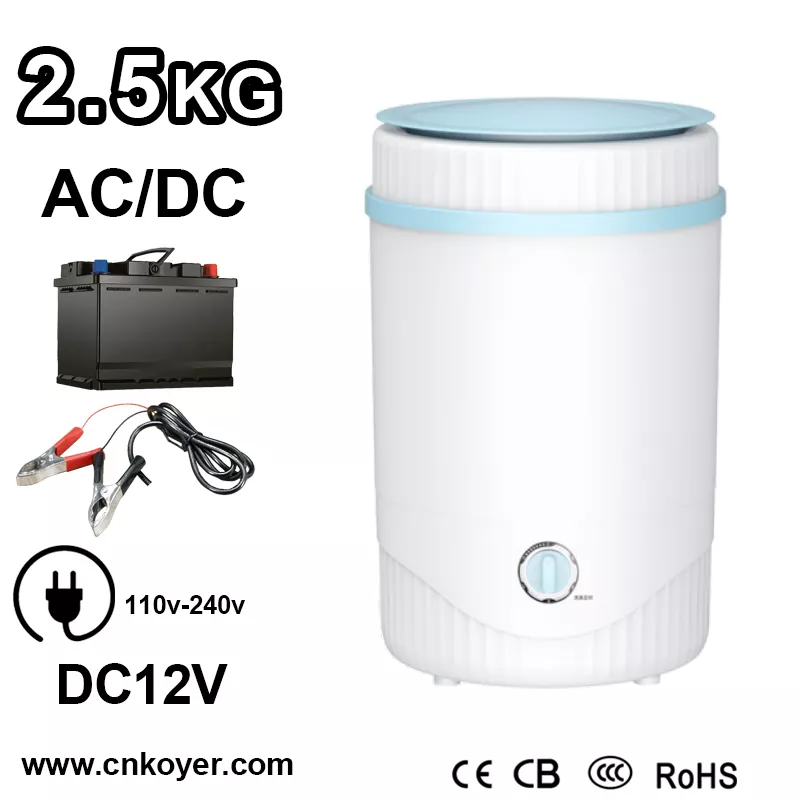
Table of Contents
- What Is a DC Washing Machine?
- How Does DC Motor Technology Work in Washing Machines?
- Why Choose a DC‑Powered Washer?
- Which Types of DC Washing Machines Are Available?
- How Does a DC Washing Machine Compare to Traditional AC Models?
- Frequently Asked Questions
What Is a DC Washing Machine?
A DC washing machine employs a direct current electric motor to turn the drum and control wash cycles. DC motors can be brushed or brushless, but many modern machines use brushless DC (BLDC) motors for enhanced performance and durability.
DC vs. AC Motored Washers
Standard washers often use induction AC motors that run at fixed speeds. DC motors, by contrast, allow for variable speed control and smoother acceleration and deceleration throughout the wash and spin cycles.
How Does DC Motor Technology Work in Washing Machines?
DC motors convert electrical direct current into mechanical energy through magnetic forces and rotating coils. Modern washing machines often integrate advanced electronic controllers that precisely modulate speed and torque depending on the cycle selected.
Core Principles of DC Motor Operation
- Direct current supply creates torque inside the motor
- Electronic control units adjust speed for different fabrics
- Brushless designs reduce wear and noise
Why Choose a DC‑Powered Washer?
What Performance Benefits Do DC Motors Provide?
| Benefit | Description |
|---|---|
| Energy Efficiency | DC motors use less power than AC equivalents, translating into lower energy consumption and utility costs. |
| Quiet Operation | Smoother and quieter performance compared to traditional motors. |
| Precise Speed Control | Variable speed allows optimization for delicate fabrics and heavy loads. |
| Durability | Fewer moving parts and reduced mechanical wear increase lifespan. |
Which Types of DC Washing Machines Are Available?
DC washing machines can be grouped by application and power source:
- Residential DC Washers – Standard home units designed for electricity grids.
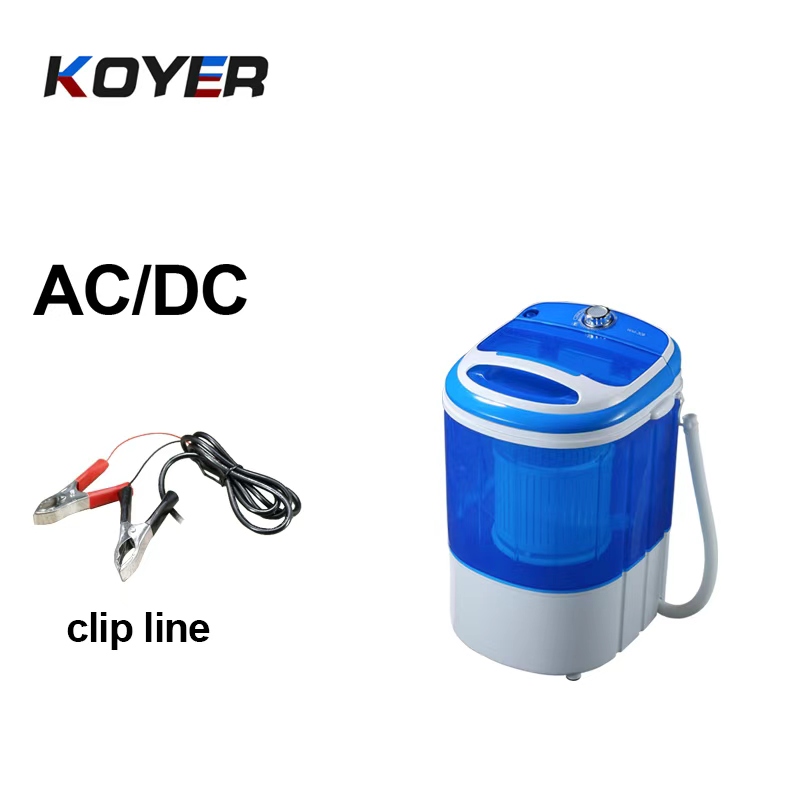
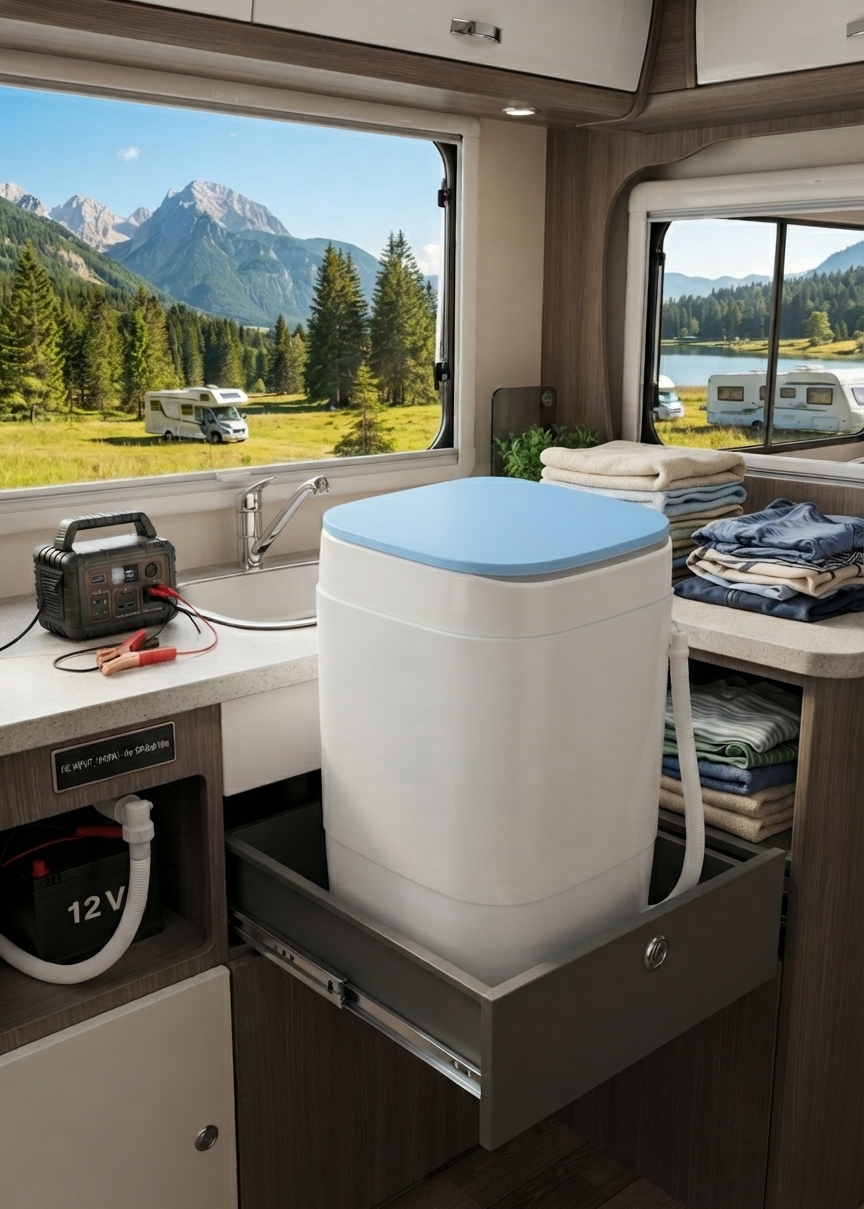
- Portable and Off‑Grid DC Washers – 12V or 24V models ideal for RVs, boats, or solar systems.
- Brushless DC Models – Premium units with advanced buildup for enhanced performance.
How Does a DC Washing Machine Compare to Traditional AC Models?
| Feature | DC Motor Washer | AC Motor Washer |
|---|---|---|
| Energy Efficiency | High | Moderate |
| Noise Level | Low | Higher |
| Speed Control | Variable | Fixed |
| Maintenance | Lower | Higher |
Frequently Asked Questions
Q: What exactly does “DC” mean in a washing machine?
A: “DC” stands for direct current, referring to the type of electrical current the motor uses, allowing fine control over drum speed and torque.
Q: Why is a DC motor preferable to an AC motor?
A: DC motors generally provide better energy efficiency, quieter operation, and more precise cycle control, which can improve washing performance and reduce wear on the machine.
Q: Are DC washing machines more expensive?
A: Typically, yes—because the motor and control systems are more advanced. However, energy savings and longer lifespan often offset the higher upfront cost over time.
Q: Can a DC washer work on solar or battery power?
A: Yes—especially low‑voltage DC models (e.g., 12V or 24V) designed for off‑grid or mobile use. These can integrate with solar systems without conversion loss.
Q: Does DC motor technology affect washing quality?
A: Yes—variable speeds and torque control help tailor wash cycles to fabric types, resulting in more effective cleaning and gentler treatment for delicate clothes.
Conclusion
Understanding the advantages of DC washing machines can help you make an informed purchase or upgrade decision. Whether you’re interested in home efficiency or need a mobile solution for RV or off‑grid living, DC motor technology offers measurable benefits. For reliable products and cutting‑edge solutions, consider offerings from industry leaders like Ningbo Keyi Electric Appliance Co., Ltd. with proven performance and durability.
Related News
- Catching the Breeze, Greening the Globe | Keyi Electric, Together with Ningbo Banshen Electrical Appliance, Invites You to the 2026 Autumn Canton Fair to Explore the New Wave of DC Home Appliances!
- Bring Your Home into Nature, Leave the Chores to KOYER: A New Era of Fresh and Easy RV Camping
- Say Goodbye to Traditional, Outdated Air Coolers! Why Is Everyone Rushing to Switch to KOYER's Sleeve-Style air cooler This Year?
- Revolutionize Your Laundry: KOYER Portable Washing Machines – Cleanliness, Anywhere You Want It!
- What is an AC/DC Air Cooler and Why is It a Booming Global Market Trend?
- Save Big on Electricity! Ultimate Washing Machine Energy-Saving Hacks
Leave me a message