China Evaporative Air Cooler Factory DIrect Prices
What is an air cooler?
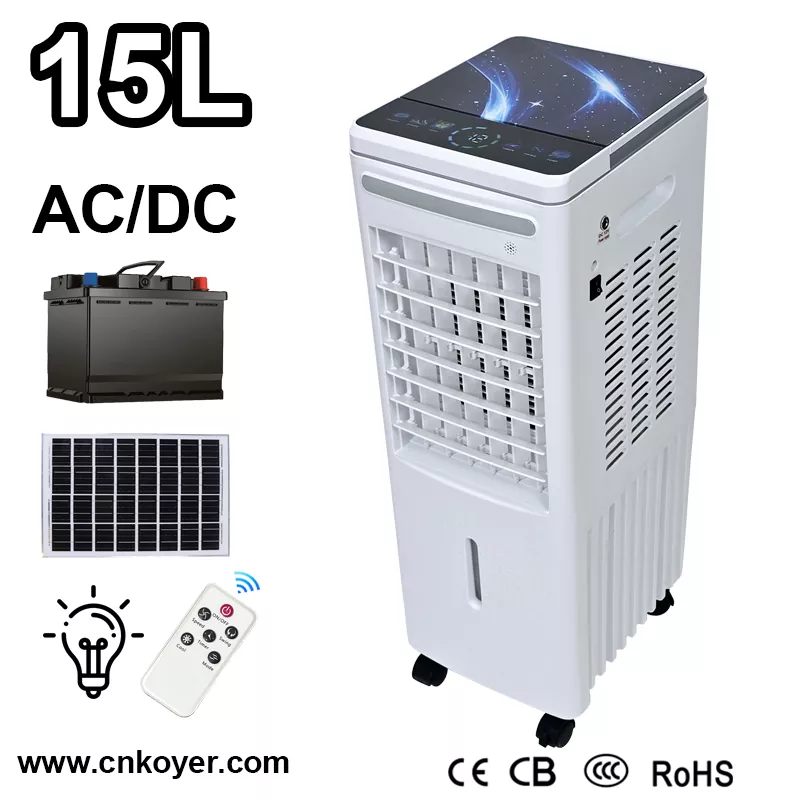
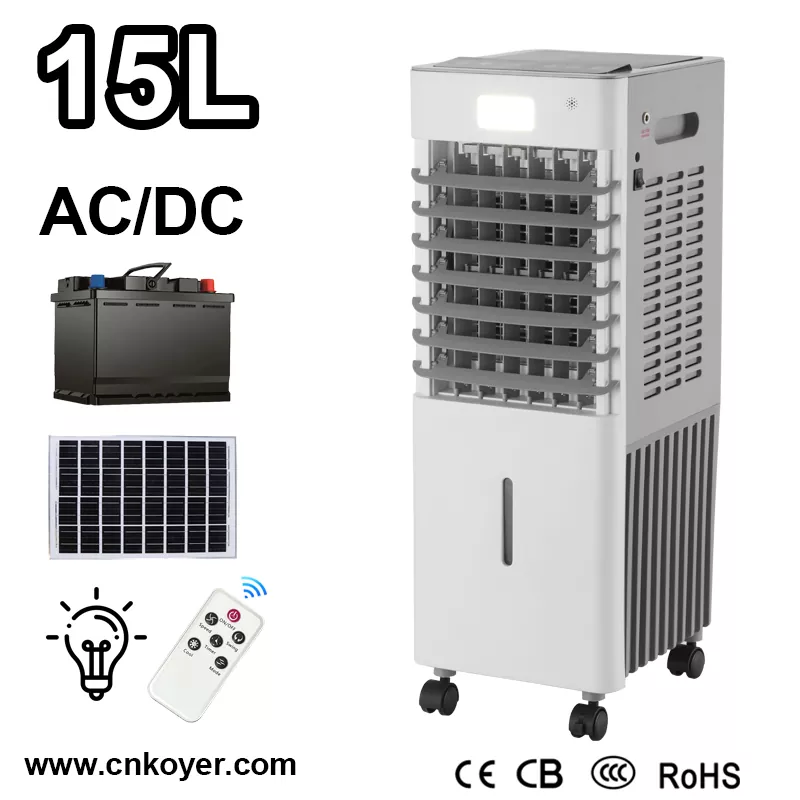
An air cooler is a device that utilises the evaporation of water to absorb heat from the air, thereby achieving cooling and temperature reduction.The operational process of an evaporative cooler is as follows: First, water is pumped from the bottom reservoir to the top, where it is distributed over the cooling medium (typically a fibre-based wet pad or honeycomb plastic media), thoroughly saturating the entire cooling medium. Subsequently, as warm air passes through the cooling medium, the water evaporates, absorbing surrounding heat and thereby lowering the air temperature. Finally, the cooled air is blown into the interior space, producing a cooling effect.
As a manufacturer of air coolers, what can we offer?
We are a factory specialising in the production of air coolers. Established in 1995, our facility spans 60,000 square metres and currently employs over 300 staff.
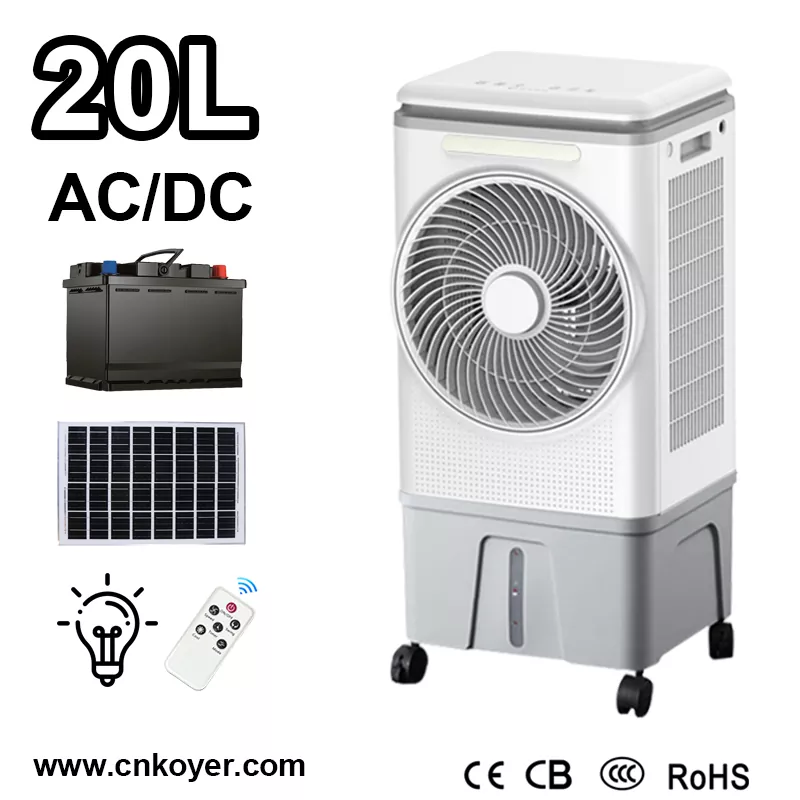
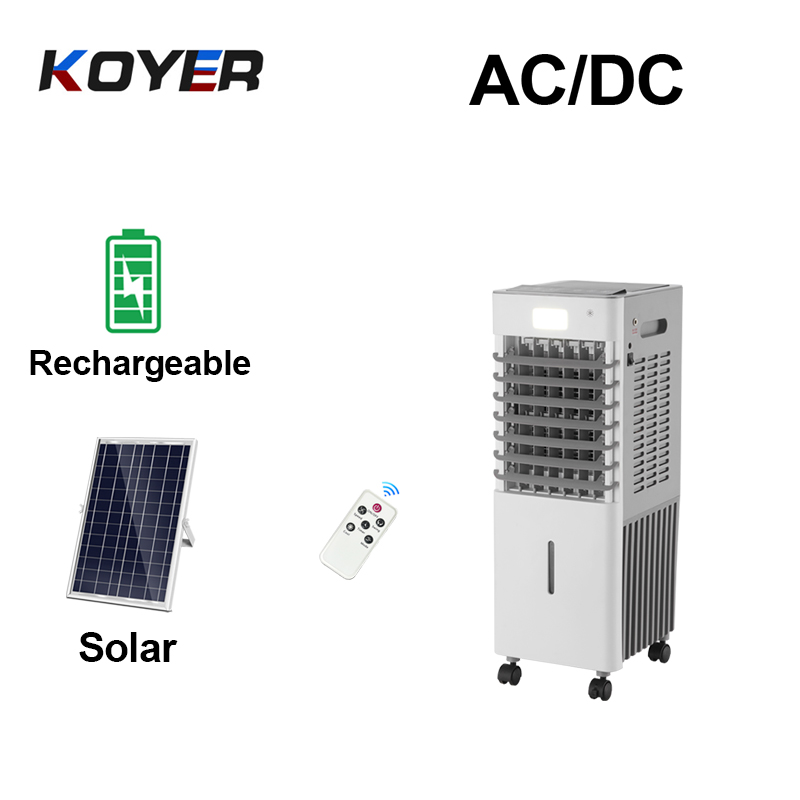
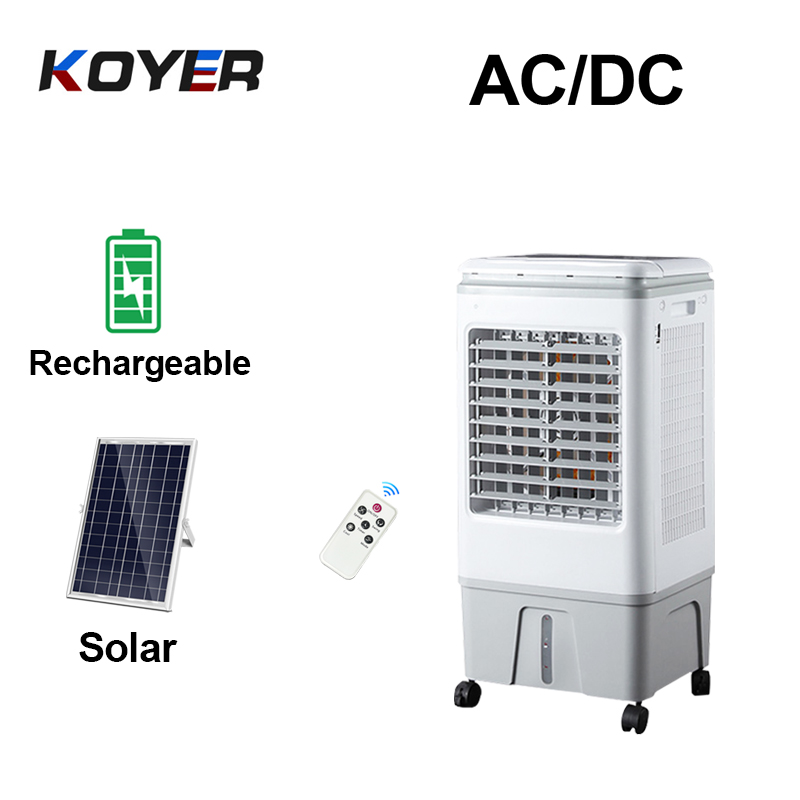
We offer a comprehensive range of air cooler products, including rechargeable, DC, and solar-powered models, perfectly suited for commercial, industrial, and residential applications. We provide UK, EU, US, and other plug types. Leveraging our global service network, we deliver one-stop CKD/SKD supply, OEM/ODM customisation, and mould development services to fully meet your bespoke business requirements.
Why should customers choose us?
a. 30 years of manufacturing experience ensures quality assurance
b. Direct sourcing from the source guarantees high cost-effectiveness
c. Professional engineers and after-sales service support
d. Years of dedicated research drive continuous innovation
Can we customize products and incorporate our logo?
Yes.
What is the warranty period?
We provide a one-year free warranty for the entire unit (requires presentation of invoice and warranty card). Specific details are outlined in the ‘After-Sales Policy’ section of the instruction manual.
How do we ensure product quality, and what certifications are available?
Our products undergo rigorous inspection by factory engineers prior to dispatch. Buyers are welcome to verify product quality through any means. All products carry a one-year warranty and are CE certified.
Is an air cooler the same as an air conditioner? What are the differences?
I. Core Differences Between Evaporative Coolers and Air Conditioning
| Dimension | Evaporative Cooler (Evaporative Cooling Unit) | Air Conditioning (Compression-Type Air Conditioning) |
| Core Principle | Water evaporation absorbs heat to cool (physical phenomenon): Air is blown over a damp cooling pad by a fan; water evaporation absorbs heat from the air, lowering the outlet air temperature (similar to the cooling effect of ‘blowing on a damp towel’) | Steam compression refrigeration cycle (thermodynamic cycle): Utilises components such as compressors, condensers, and evaporators to transfer heat via the refrigerant's phase change (gas → liquid → gas), expelling indoor heat outdoors to achieve active cooling |
| Key medium | Water (requires only water replenishment / ice boxes assistance) | Refrigerant (specialised agents such as R32, R410A) |
| Air Modification | Cooling + Humidification (evaporation releases water vapour, suitable for arid environments) | Cooling + Dehumidification (evaporator condenses atmospheric moisture during cooling, suitable for humid environments) |
II. Core Advantages of Evaporative Air Coolers Over Air Conditioning
1. Exceptional Energy Efficiency: Consumes only 1/10 to 1/5 the electricity of air conditioning, significantly reducing long-term electricity costs. Particularly suitable for large-area spaces such as factories and warehouses.
2. Flexible Installation: Requires no complex ducting or professional installation. Options include wall-mounted, portable, or freestanding configurations, making it suitable for rented premises or temporary sites (aligning with Redmi smartphone users' preference for ‘convenient tools’).
3. Healthy Ventilation: Continuously introduces fresh air, preventing stuffiness and odours caused by air-conditioned rooms' sealed environments. The evaporation process also filters out some dust, making it more suitable for densely populated settings.
4. Lower Costs: Equipment purchase price is only one-third to one-half that of air conditioning units. Eliminates high-altitude work fees and ducting costs. Maintenance requires only periodic filter cleaning, offering superior long-term value for money.
5. Wider applicability: Suitable for open/semi-open spaces (e.g., workshops, retail premises, outdoor stalls), whereas air conditioning loses significant cooling efficiency in ventilated environments.
For 24 hours contact details as below:
Email: cici@keyidq.com
Tel/Wechat: 0086-13484267026/0086-15058036524
whatsApp:0086-18967954322/0086-15990287884
- View as
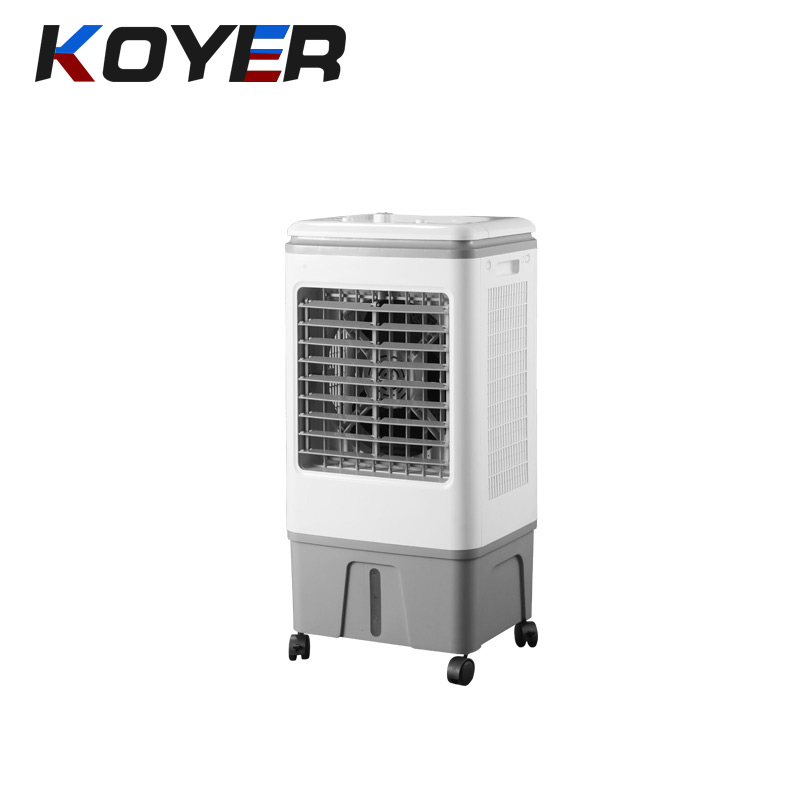
Household DC Air Cooler Fan
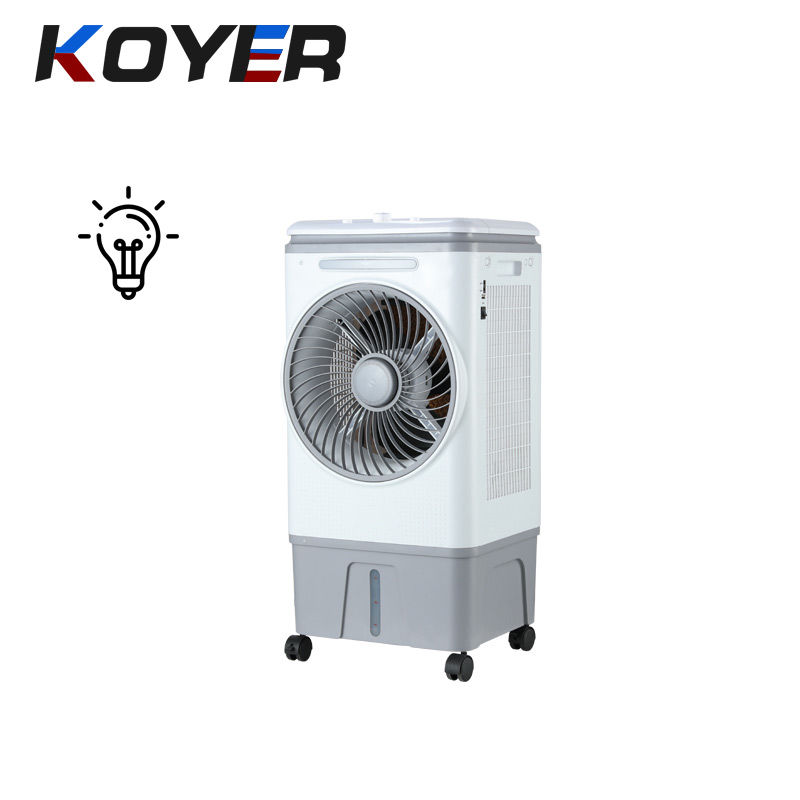
Keyor is a manufacturer and supplier in industrial air coolers. We have extensive factory facilities and substantial production experience. This Household DC Air Cooler Fan is equipped with a water pump and wet curtain, enabling efficient cooling through water evaporation.
Electric Rechargeable Air Cooler Fan
Backed by 30 years of air cooler R&D and manufacturing expertise, Ningbo Keyi Electric Appliance Co., Ltd. offers 20L Electric Rechargeable Air Cooler Fan worldwide. Our factory supports comprehensive pre-sales guidance, in-sales support, and after-sales services.
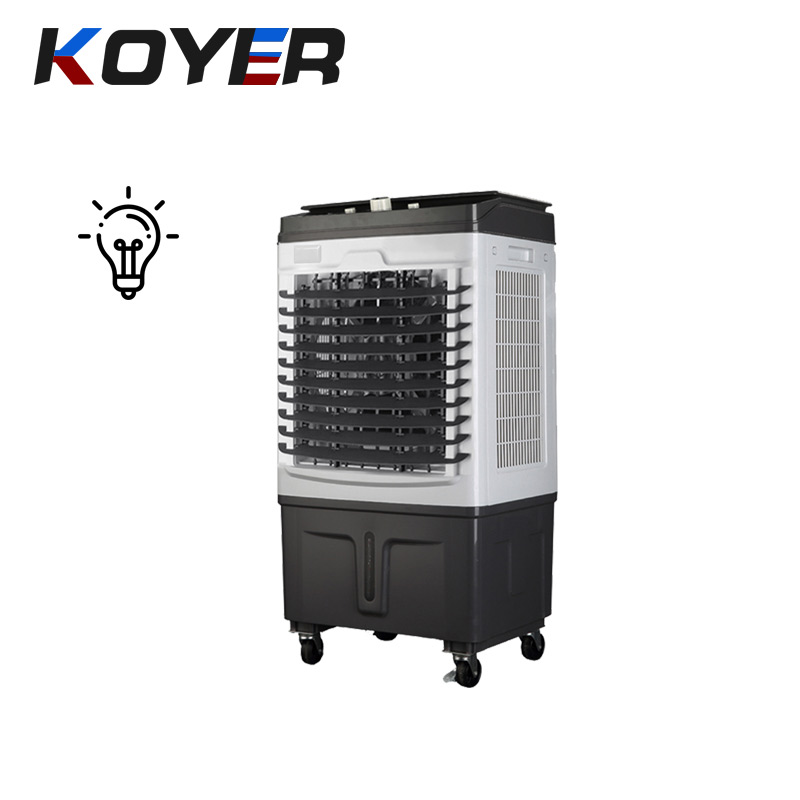
Household Rechargeable Air Cooler Fan
Koyer, a factory with many years of experience in manufacturing and selling air coolers, welcomes you to purchase our Household Rechargeable Air Cooler Fan. This product is powerful, suitable for home use, and easy to operate. We welcome both new and existing customers to inquire about pricing or customization options.
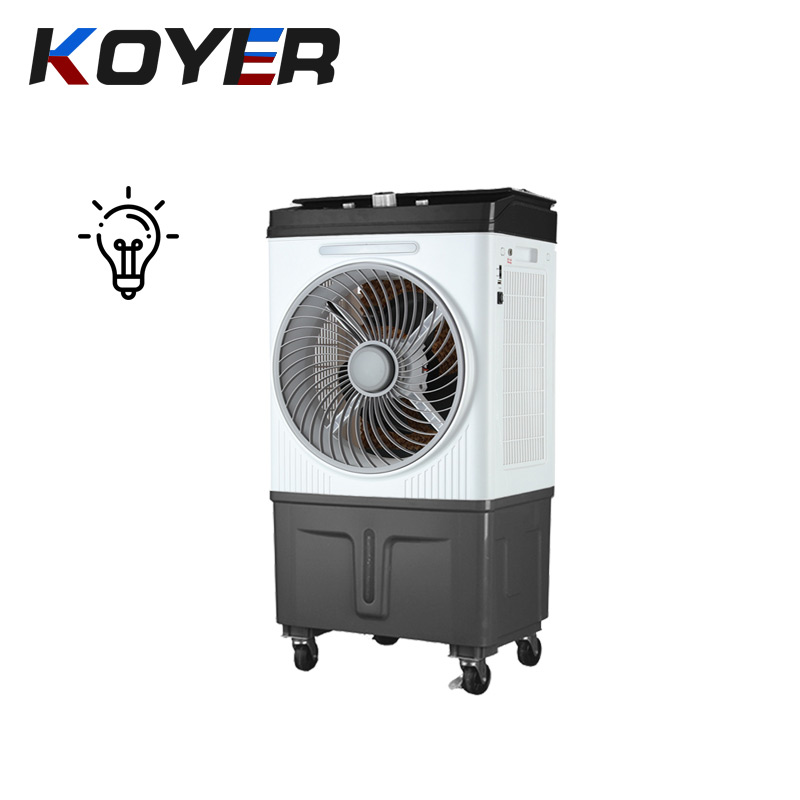
Small AC DC Air Cooler Fan
Having focused on the air cooler industry for 30 years, Ningbo Keyi Electric Appliance Co., Ltd. has developed strong professional capabilities! We warmly welcome global partners to walk alongside us and are committed to being your dependable long-term ally for Small AC DC Air Cooler Fan procurement in China.
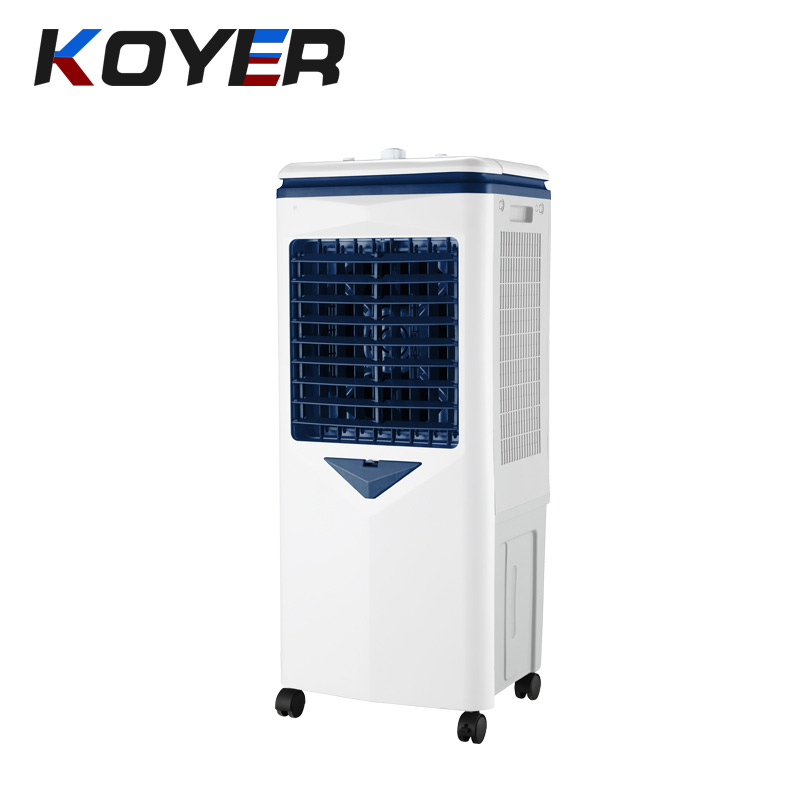
Portable AC DC Air Cooler Fan
With 30 years of dedication to the air cooler industry, Koyer (Ningbo Keyi Electric Appliance) adheres to craftsmanship! This newly launched Portable AC DC Air Cooler Fan manufactured by our own factory, features a 30-litre water tank, variable speed, automatic left-right oscillation, and manual up-down oscillation!
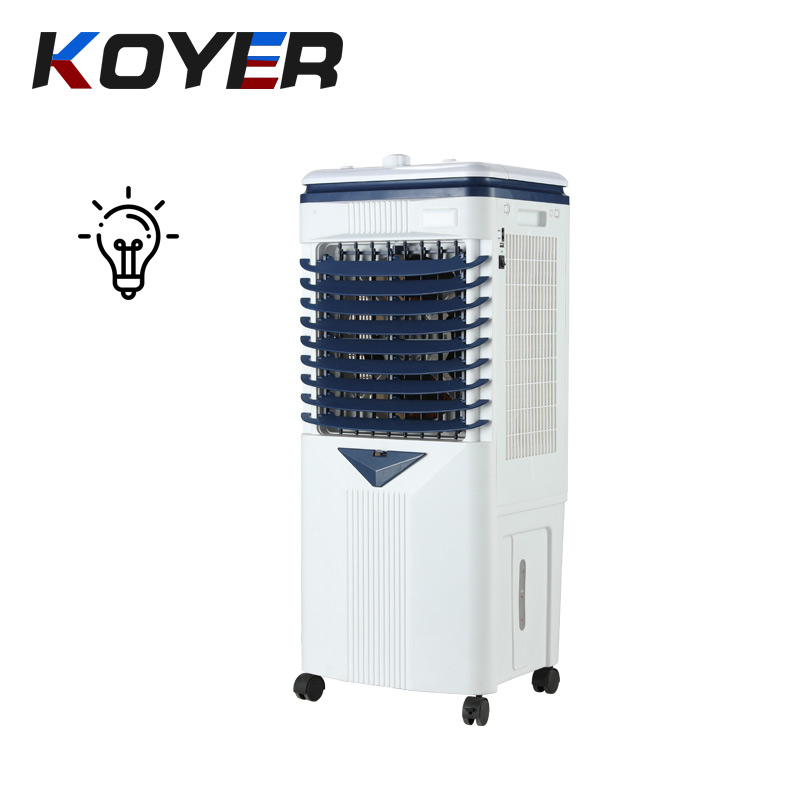
Industrial AC DC Air Cooler Fan
We are the professional Industrial AC DC Air Cooler Fan manufacturer with strong market demand for its products. We adopt standardized production processes and rely on the local industrial chain to control costs. Our 30L air cooler is equipped with simple switch control, easy to operate, and delivers good cooling performance. Durable and affordable.
As a reliable AC Evaporative Air Cooler manufacturer and supplier in China, we have our factory. If you want to buy quality products, please contact us.